Canadian Driver’s License: Everything You Need to Know in 2025
Wiki Article
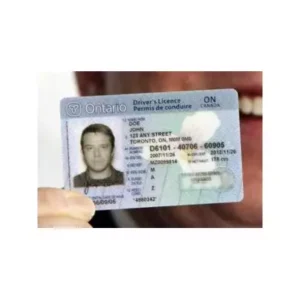
Obtaining a Canadian Driver’s License is an essential step for anyone who plans to drive legally in Canada — whether you’re a citizen, a copyright, or an international visitor. Understanding the licensing process, requirements, and categories will save you time and help you stay compliant with Canadian road laws. This guide explains everything you need to know about getting, renewing, or converting your Canadian driver’s license in 2025.
1. What Is a Canadian Driver’s License?
A Canadian Driver’s License is an official document issued by a provincial or territorial government that permits individuals to operate motor vehicles legally across Canada. Each province (such as Ontario, British Columbia, Alberta, or Quebec) has its own system for issuing licenses, but they all follow similar standards based on national road safety regulations.
This license also serves as a primary form of identification, accepted nationwide for banking, domestic travel, and age verification.
2. Types of Driver’s Licenses in Canada
Canada uses a graduated licensing system designed to ensure drivers gain experience safely before becoming fully licensed. The structure varies slightly between provinces, but typically includes:
-
Learner’s Permit (G1 or Class 7): The first stage, allowing you to drive under supervision.
-
Probationary or Intermediate License (G2 or Class 5): Permits unsupervised driving with certain restrictions.
-
Full License (Class G or Class 5): Grants full driving privileges with no restrictions.
There are also special classes for commercial drivers:
-
Class 1 / A: For tractor-trailers.
-
Class 2 / B: For buses.
-
Class 3 / D: For large trucks.
-
Class 4 / C: For ambulances and taxis.
-
Motorcycle Licenses (Class 6 / M): For two-wheeled vehicles.
3. How to Get a Canadian Driver’s License
The process to obtain a Canadian driver’s license depends on your province and whether you already hold a foreign license. Here’s a general overview:
Step 1: Pass a Knowledge Test
You’ll need to take a written test based on the official driver’s handbook. It covers road signs, traffic laws, and safe driving practices.
Step 2: Get a Learner’s Permit
Once you pass the test, you’ll receive a learner’s license, allowing you to drive with an experienced driver while you gain road experience.
Step 3: Complete a Road Test
After meeting the minimum practice period, you must take a road test to demonstrate your driving skills. Passing this test moves you to the next license stage or grants you full privileges.
Step 4: Submit Required Documents
You’ll need to present proof of identity, residency, and legal status in Canada. Typical documents include:
-
copyright or PR card
-
Proof of residence (utility bill, lease, etc.)
-
Immigration or copyright documents (if applicable)
4. Converting a Foreign Driver’s License to a Canadian One
If you already hold a valid license from another country, you may be eligible to exchange it for a Canadian driver’s license without starting from scratch. Canada has reciprocal agreements with several countries, including the United States, United Kingdom, Australia, France, Germany, and others.
If your country isn’t on the list, you’ll likely need to take both the written and road tests. Always confirm requirements with the provincial licensing authority.
5. Costs and Validity
The cost of getting or renewing a driver’s license in Canada varies by province but typically ranges between CAD $75 and $200.
Most licenses are valid for five years before requiring renewal. Renewal can be done online or in person, depending on your province.
6. Driving Rules and Responsibilities
Holding a Canadian driver’s license means you agree to follow all road safety laws, including:
-
Always carry valid insurance.
-
Obey posted speed limits and traffic signs.
-
Avoid impaired or distracted driving.
-
Keep your vehicle in roadworthy condition.
Failure to comply may result in fines, points, or suspension of your driving privileges.
7. Why the Canadian Driver’s License Is So Important
Beyond driving rights, your Canadian driver’s license is a trusted form of government-issued identification. It’s used for:
-
Opening bank accounts
-
Domestic air travel
-
Verifying age for restricted purchases
-
Accessing certain government services
It’s one of the most recognized and convenient IDs you can have in Canada.
8. Final Thoughts
Getting a Canadian driver’s license is a straightforward process if you follow the rules and prepare properly. Whether you’re a new driver, a resident from another country, or renewing your existing license, understanding the requirements will help you drive confidently and legally.
Having a valid Canadian license not only ensures your safety on the road but also opens the door to many essential services across the country.